

Breaking Barriers: The Impact of Technology on Communication within the Deaf Community
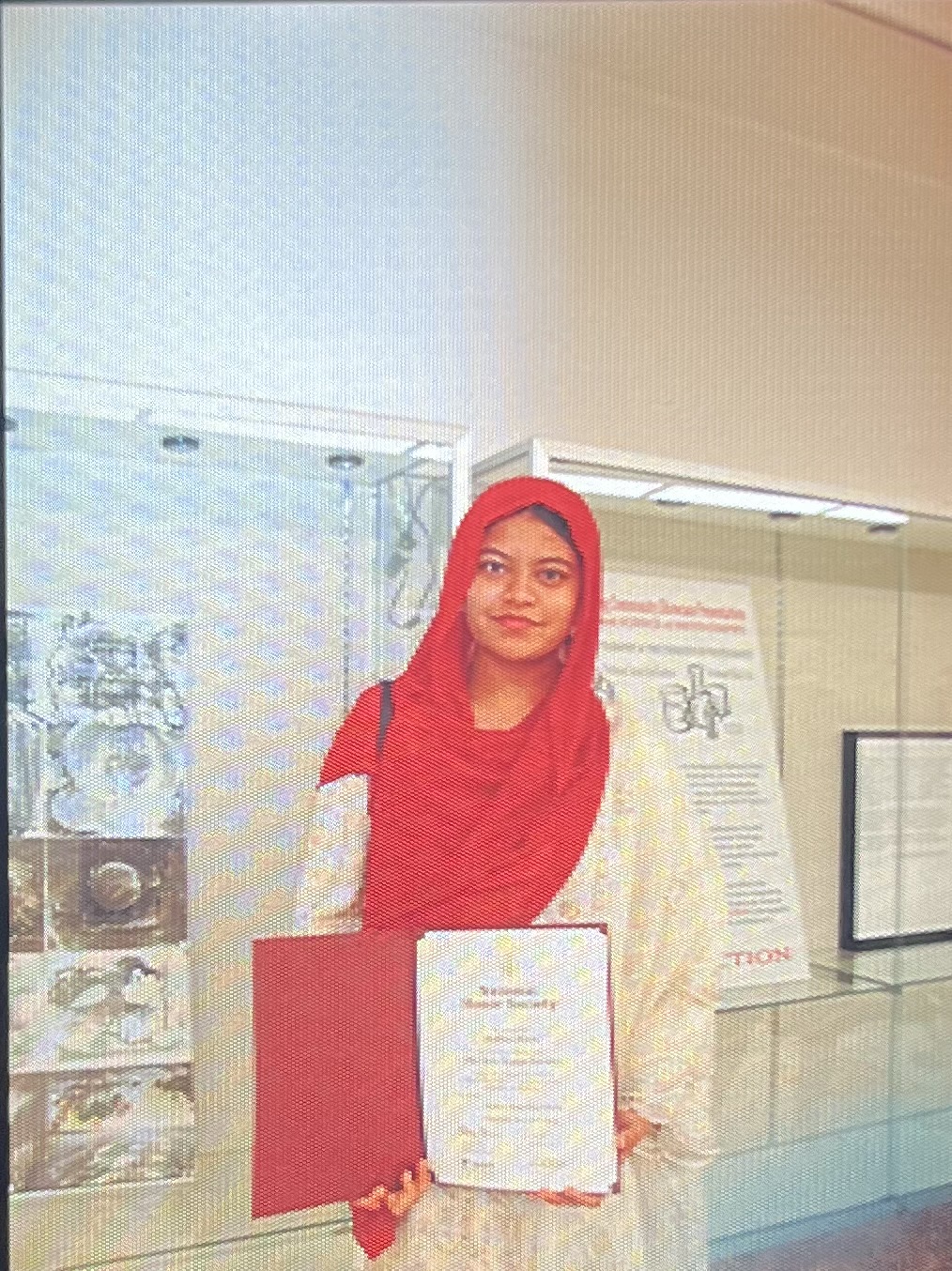
By: Mahfuza Maisa
Abstract:
In recent years, technological advancements have significantly transformed communication for the deaf community, fostering greater inclusion and social interaction. This paper examines the various tools and innovations that have emerged, such as video relay services, instant messaging, and mobile applications designed for real-time communication. By analyzing the effectiveness of these technologies, the paper highlights how they facilitate easier access to information, enhance interpersonal connections, and empower deaf individuals in both personal and professional contexts. Furthermore, this study explores the role of social media and online platforms in building community and providing a voice to deaf individuals worldwide. Ultimately, the findings illustrate that technology not only bridges communication gaps but also promotes equality, enabling deaf individuals to engage more fully in society.
Introduction:
In our connected world, good communication is essential for everyone. However, for people who are deaf or hard of hearing, talking with others can be challenging. Luckily, new technology has made a big difference in how the deaf community communicates. Tools like video relay services, text messages, and helpful apps have made it easier for deaf individuals to connect with friends, family, and coworkers. These advances not only help with everyday conversations but also help deaf people feel more included in society. This paper will look at how these new technologies are changing communication for the deaf community and why they matter.
Body paragraph:
In recent years, technology has significantly improved communication for the deaf community through several advancements. Here are some key developments. Tools like VRS enable deaf individuals to communicate via sign language using a video interpreter who relays the conversation with hearing individuals. This has made real-time communication more accessible. Video Remote Interpreting (VRI) provides on-demand sign language interpreting through video conferencing like zoom or facetime, especially in settings like hospitals or legal offices where immediate access to an interpreter is needed. SMS and messaging apps allow for quick and easy communication without the need for voice calls. This has revolutionized how deaf individuals interact socially and professionally. Applications that convert spoken language into text in real time help deaf individuals follow conversations in various settings, making public speeches, lectures, or meetings more accessible. (Omose From isolation to connection: How technology is helping Deaf People Build Communities)
Advances in auditory technology, such as improved hearing aids and cochlear implants which have allowed some deaf individuals to engage more effectively in auditory communication, although this does not apply to the entire community. Platforms like Facebook, Twitter, and Instagram have provided visual and written means of expression, allowing deaf individuals to connect with broader communities and share experiences through video and images. With more content being captioned or featuring sign language interpretation, platforms like Netflix and YouTube have improved access to entertainment and information for deaf viewers. Lastly, education systems are adopting technology such as captioned videos, sign language software, and interactive apps that cater specifically to deaf students, enhancing their learning experiences. (Omose The impact of technology on Deaf Culture: How Technology is shaping the future of deaf identity).
Conclusion:
Technology has made a big difference in how the deaf community communicates. Tools
like video relay services, mobile apps and automatic captions have opened up new ways for
people to connect and share. These advancements help deaf individuals access important
information, enjoy entertainment and build relationships with others. As technology continues to
improve, it’s important to keep finding new ways to support and include everyone, regardless of
their hearing abilities. With ongoing efforts, we can create a world where everyone can
communicate freely and equally.
References
Omose, Ikhalo. “The Impact of Technology on Deaf Culture: How Technology Is Shaping the Future of Deaf Identity - Unspoken Language Services.” Unspoken Language Services, 25 Jan. 2025, www.unspokenasl.com/aslblogs/the-impact-of-technology-on-deaf-culture-how-technology-is-shaping-the-future-of-deaf-identity. Accessed 10 Aug. 2025.
Omose, Ikhalo. “From Isolation to Connection: How Technology Is Helping Deaf People Build Communities.” Unspoken Language Services, 20 Feb. 2023, www.unspokenasl.com/aslblogs/from-isolation-to-connection-how-technology-is-helping-deaf-people-build-communities/.


Comments